Interpersonal Therapy (IPT)
“The field of psychiatry is the field of interpersonal relations; a person can never be isolated from the complex of interpersonal relations in which the person lives and has his being.”
Clinical Overview & Scientific Approach
Interpersonal therapy (IPT) is a structured, time-limited psychotherapy, usually 12–16 sessions, developed by Klerman and Weissman in the 1970s for major depression.
Its core principle is that psychological symptoms and interpersonal functioning affect each other: distress frequently arises within a social context and is maintained by it. Hence, improving relationships and how people manage their social interactions relieves symptoms.
Theoretical Foundations & The Four Problem Areas
IPT draws on attachment theory and the interpersonal tradition of Sullivan and Meyer. It frames depression as a treatable condition. Treatment focuses upon one or two of four problem areas: grief, role disputes, role transitions and interpersonal deficits.
The therapist is active and supportive, linking changes in mood to interpersonal events and helping the patient build communication and problem-solving skills.
Research Evidence & Clinical Adaptations
The evidence base is strong. It began with the NIMH Treatment of Depression Collaborative Research Program. Since then, many randomised trials and meta-analyses (notably Cuijpers et al.) have shown that IPT works for acute depression about as well as CBT and antidepressants. Maintenance IPT also reduces relapse.
NICE guidance recommends IPT, and it has been adapted for adolescents, perinatal depression, bipolar disorder and eating disorders.
Consultants Delivering This Service
Our accredited psychologists and psychotherapists experienced in this clinical area.
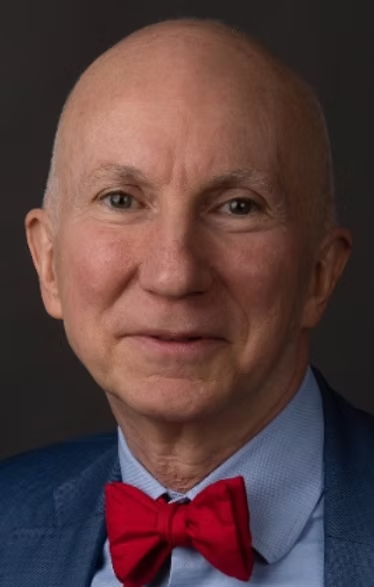
Dr George Fieldman
Consultant Psychologist
Senior consultant psychologist specializing in cognitive behavioural therapy (CBT), evolutionary psychobiology, and executive consultation.
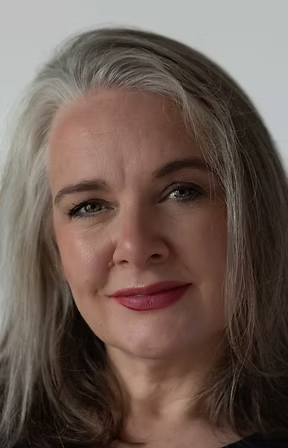
Dr Sarah Christie
Consultant Psychologist
Consultant clinical psychologist focusing on psychological assessment, CBT, and health psychology.
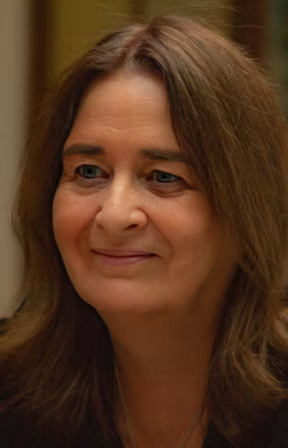
Dr Joyce Blake
Consultant Psychologist
Consultant psychologist specializing in young people (10-17) and adult psychotherapeutic interventions, CBT, and EMDR.

Wajih Sheikh
Consultant Psychotherapist
Senior psychotherapist with extensive clinical experience in CBT, imagery rescripting, and trauma recovery.
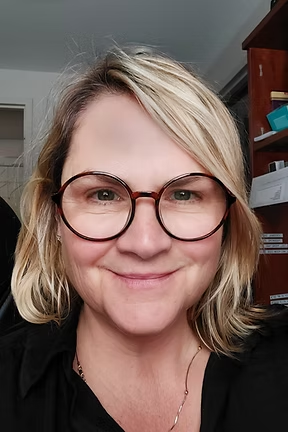
Diane Fanning
Consultant Psychotherapist
Specialist in cognitive behavioural interventions for mood, anxiety, and relational difficulties.
Session Attendance Policy for Minors
We work with adults from 18 years of age, and with young people aged from 10 to 17. For children aged 10 to 15 years, a second responsible adult must be in attendance during sessions.
Begin Consultation with Clear Thinking Clinic
Contact our confidential reception to discuss availability, fees, or to arrange an initial session for interpersonal therapy (ipt).